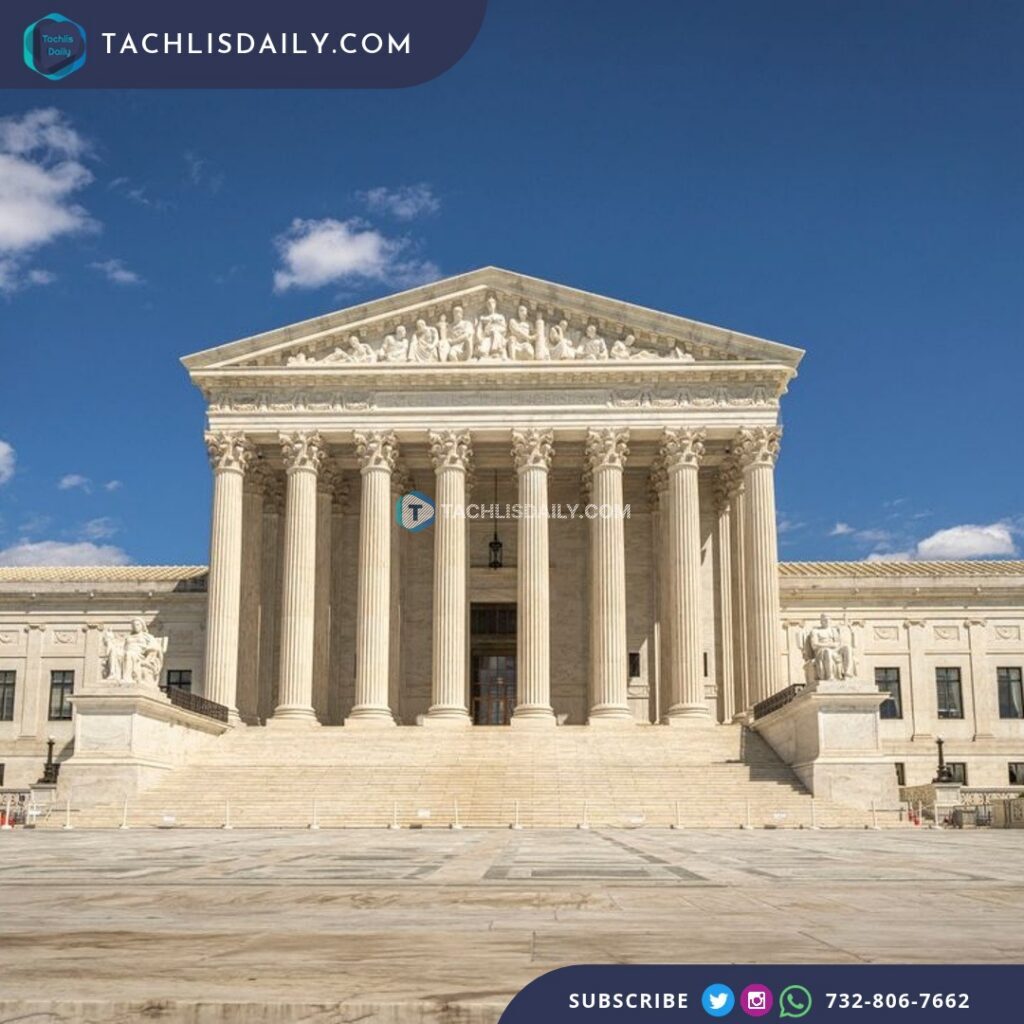
The Supreme Court on Tuesday refused to put a 2024 immigration regulation back into effect, leaving in place a lower-court agreement that blocks a rule allowing judges to pause certain deportation cases.
The justices denied an emergency request from Baltimore, New Haven, Columbus and the legal-services organization Centro Legal de la Raza. No dissents were noted. The Court’s brief action did not explain its reasoning.
What the rule allowed
The regulation, adopted by the Justice Department’s Executive Office for Immigration Review in 2024, formalized a practice known as administrative closure. It allowed immigration judges to temporarily set aside some removal proceedings, including when someone was pursuing immigration relief through U.S. Citizenship and Immigration Services.
Texas challenged the regulation in federal court in June. The Trump administration agreed with the state’s challenge, and the two sides asked the district court to enter a judgment setting the rule aside. The court approved their agreement the same day.
What Tuesday’s action means
The cities and Centro Legal later sought to join the case to defend the rule. After the district court denied their intervention request and the Fifth Circuit declined to pause the agreement, they asked the Supreme Court for emergency relief.
Tuesday’s denial leaves the agreement in force while the dispute over intervention continues. It is not a full Supreme Court ruling on the merits of administrative closure or every aspect of the lower-court judgment.
The order also should not be read as a direction to reopen every previously paused case. In its filing opposing a stay, the federal government said the consent judgment does not require existing administratively closed cases to be returned to the active calendar, and described its effect as prospective.
Sources: Supreme Court docket, federal government’s filing, SCOTUSblog and Courthouse News Service.
Photo: Mark Stebnicki / Pexels.