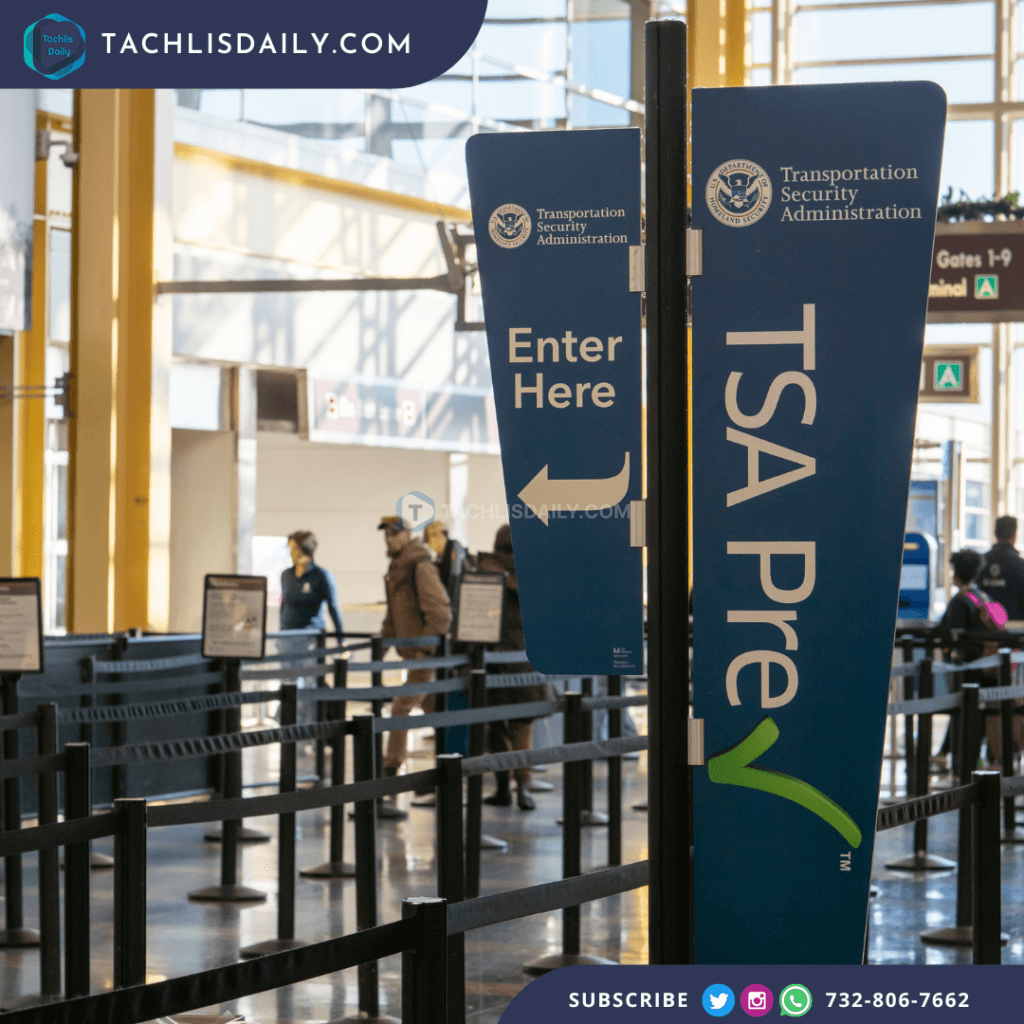
Long security lines and travel disruptions at major U.S. airports began easing Monday after President Donald Trump ordered that Transportation Security Administration officers receive pay during the ongoing Department of Homeland Security funding lapse.
The impact was quickly visible at Houston’s George Bush Intercontinental Airport, where emergency security lanes that had been set up outside terminal doors were cleared as staff resumed normal operations. Only days earlier, frustrated travelers faced lines stretching out of terminals and into underground transit areas, with wait times exceeding four hours.
Airport officials reported that the situation improved dramatically once TSA workers began receiving paychecks. Current security wait times at the Houston airport dropped to just a few minutes, marking a stark contrast from the delays that had disrupted travel throughout the shutdown.
The crisis grew during the extended funding standoff in Washington, which left many federal employees without pay for weeks. Hundreds of TSA agents quit during the shutdown, while many others called out of work as financial pressure mounted. Officials acknowledged that staffing challenges may continue even as pay begins to flow again.
President Trump described the situation as an emergency as disruptions at airports escalated nationwide. Over the weekend, he signed an executive order directing federal officials to ensure TSA officers receive compensation during the funding lapse.
Agents began receiving paychecks Monday after 42 days without pay, though many said the payments covered only part of what they were owed. Workers said the delayed compensation has created financial strain and uncertainty for many families.
The shutdown stems from a dispute in Congress over funding for the Department of Homeland Security. Democrats have tied renewed funding to changes in immigration enforcement policies, including reforms affecting Immigration and Customs Enforcement and Border Patrol operations.
Government officials said the lapse in funding has now become the longest shutdown on record. Department leaders have urged lawmakers to end the stalemate, arguing that federal workers and travelers are paying the price for the political standoff.
High rates of absenteeism among TSA officers contributed to the airport disruptions over the weekend. More than ten percent of the workforce called out of work on Sunday alone. Some airports saw even higher numbers, including Baltimore’s Thurgood Marshall Airport, where more than a third of officers did not report for duty.
Houston’s two major airports also experienced some of the highest call-out rates in the country as they manage ongoing renovations and heavy passenger traffic. Other airports across the nation, including facilities in New Orleans, Atlanta, New York City, Pittsburgh and Philadelphia, reported absentee rates well above the national average.
Officials said the process of paying TSA workers has now begun under the direction of the administration and the Department of Homeland Security. Even so, leaders warned that a permanent solution will require Congress to restore full funding to the agency.
For travelers, the immediate change brought visible relief. Areas that had been packed with passengers waiting hours for screening were largely cleared, and airport operations began returning to normal as TSA staffing stabilized.