
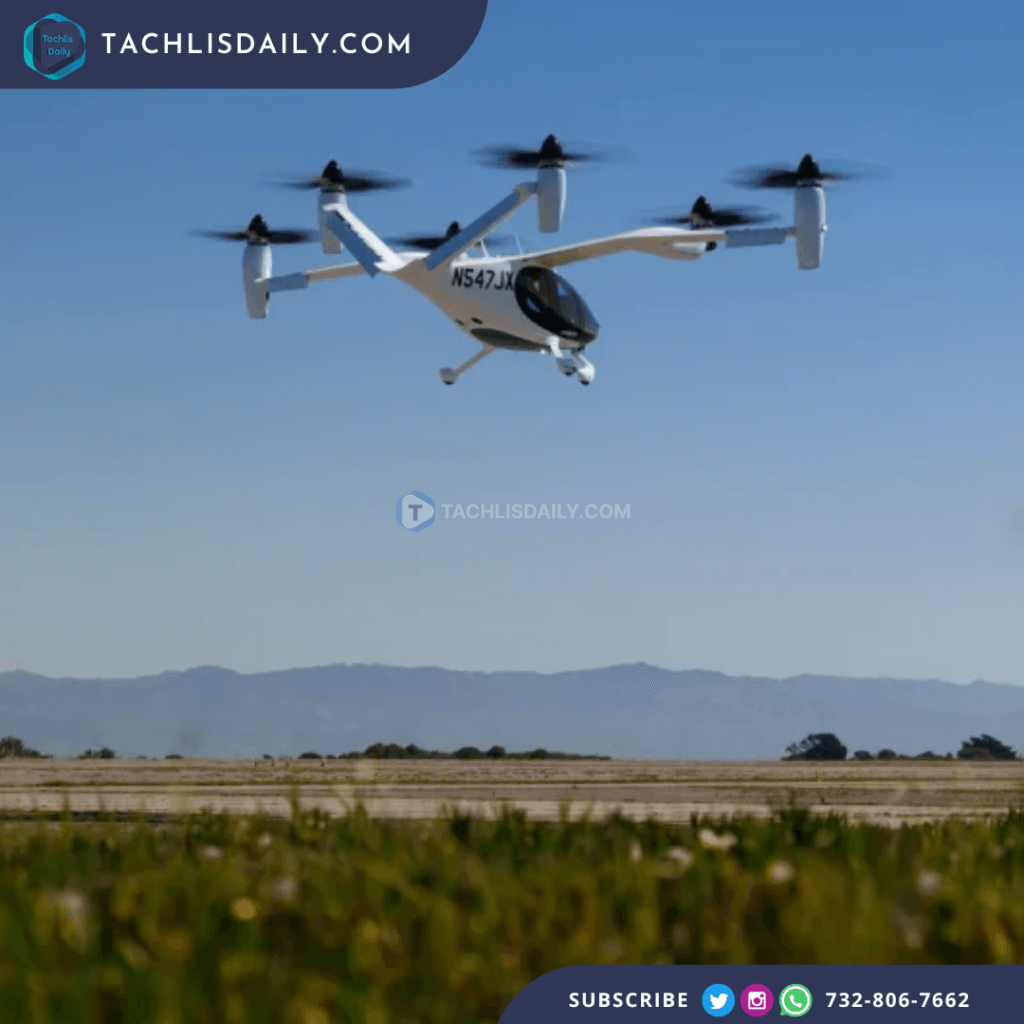
Joby Aviation has begun a series of point-to-point air taxi test flights across New York City, marking a major step toward the potential launch of commercial electric vertical takeoff and landing aircraft designed to transform urban transportation. The week-long demonstration program is taking place as the company works toward final government approval for its emerging air taxi service.
During the first tests, Joby’s electric aircraft departed from John F. Kennedy International Airport and traveled to several locations within the city’s existing heliport network. The aircraft completed flights to Downtown Skyport as well as the West 30th Street and East 34th Street heliports in Midtown Manhattan. Additional demonstration flights are scheduled throughout the week.
The test program is part of a broader federal initiative introduced by the Federal Aviation Administration aimed at evaluating the safety and feasibility of next-generation electric aircraft in real-world operating environments. The aircraft being tested belongs to a new class known as eVTOLs, which are designed to take off and land vertically like helicopters while operating with electric propulsion systems intended to reduce noise and emissions.
Air taxi developers view these aircraft as a way to dramatically cut travel times in crowded urban areas. Joby says its service could connect Lower Manhattan or Midtown to JFK Airport in under ten minutes, a trip that can often take more than an hour by car during heavy traffic conditions.
The company has been advancing through the final stages of FAA certification, a critical process required before commercial passenger service can begin. Joby recently completed the flight of its first conforming aircraft, a milestone that allows FAA test pilots to conduct additional evaluation flights as regulators finalize certification.
Executives say the New York demonstration follows earlier piloted flights in the San Francisco Bay Area and is designed to test the aircraft in one of the world’s most complex urban airspaces. The program allows engineers to evaluate performance, operational logistics and sound levels while operating along realistic travel routes.
Government support has played a role in accelerating the development of the technology. President Donald Trump directed the creation of a federal program in June designed to advance testing and deployment of advanced air mobility systems across the United States.
Competition is also intensifying internationally as countries including India, China and the United Arab Emirates move to fast-track the introduction of electric air taxi networks. Industry leaders believe commercial passenger operations could begin as early as later this year if regulatory approvals are completed.
Major airline companies have already begun investing in the emerging sector. In 2022, Delta Air Lines invested $60 million in Joby Aviation, gaining a minority stake in a partnership that aims to eventually provide passengers with air taxi connections to and from major airports in New York and Los Angeles.
If the technology gains approval and public acceptance, companies developing eVTOL aircraft hope urban air taxi networks could offer a new form of transportation designed to reduce congestion, shorten travel times and introduce a cleaner alternative to traditional helicopter flights in major metropolitan areas.