
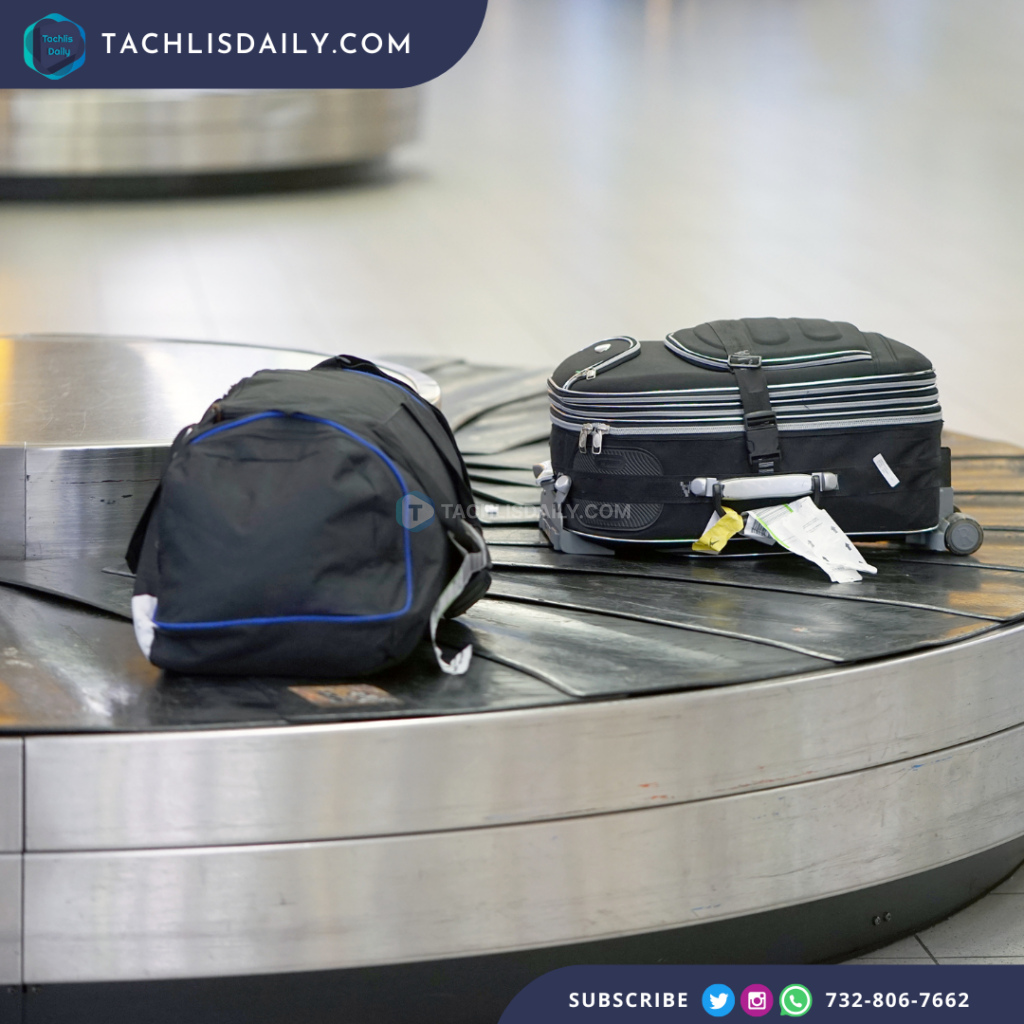
Air travelers may soon face another round of rising costs after JetBlue increased its checked baggage fees as airlines grapple with sharply higher fuel prices tied to global energy disruptions. The move is being closely watched across the airline industry, where executives are weighing how to manage soaring operating expenses while maintaining competitive ticket prices.
JetBlue confirmed that passengers on domestic flights in the airline’s lowest loyalty tier will now pay $49 to check a bag if it is added within 24 hours of departure. Travelers who wait until check-in to add a bag will pay $54. The change represents about a $4 increase from the previous fee structure introduced in 2024, when several major carriers raised baggage prices to offset rising fuel and labor costs.
Airline officials say the strategy allows carriers to keep base ticket prices more attractive while recovering expenses through optional add-on services used by some passengers. According to the company, adjusting fees for services such as checked luggage helps airlines continue offering onboard perks like complimentary snacks and drinks, high-speed Wi-Fi, and seatback entertainment.
The adjustment comes as fuel costs, one of the largest expenses for airlines, have climbed sharply. Jet fuel prices in major U.S. markets including Chicago, Houston, Los Angeles and New York averaged about $4.57 per gallon late last week, nearly 83 percent higher than levels recorded just before U.S. and Israeli strikes against Iran began in late February. The conflict has disrupted global energy supplies and pushed oil prices above $100 per barrel.
As fuel prices climb, airlines across the industry have already begun charging significantly higher ticket prices. Some executives have warned that additional fees may become more common if fuel costs remain elevated for an extended period.
JetBlue’s move could be the first signal that airlines are shifting part of the burden to ancillary fees instead of raising base fares even further. By targeting services such as baggage, carriers can increase revenue while avoiding sticker shock for travelers shopping for tickets.
Other airlines have not yet followed JetBlue’s lead. Southwest Airlines said it currently has no immediate plans to raise fees tied to economic conditions. American Airlines and Alaska Airlines did not comment on whether similar changes are under consideration, while Delta Air Lines and United Airlines declined to discuss potential pricing strategies.
Still, the financial pressure on airlines continues to build. United Airlines CEO Scott Kirby recently told investors the company has been able to weather higher fuel costs so far because demand remains strong. In fact, the airline has recorded its ten highest revenue weeks in company history over the past several months.
However, Kirby acknowledged that maintaining those higher prices may become more difficult if oil remains elevated. Sustained increases could add roughly $11 billion in annual expenses to United’s operating costs, about $6 billion more than the company earned in its most profitable year.
Industry analysts say passenger demand has remained resilient even as travel prices climb. Executives across major U.S. airlines have told investors that customers are still booking flights in strong numbers, particularly business travelers who often purchase last-minute tickets.
Data from analysts also shows airfare rising across many routes. Last-minute international flights to destinations in Asia, Europe and other long-haul markets now average around $1,900, compared with roughly $830 to $1,000 before the conflict began disrupting energy markets. Domestic coast-to-coast fares have also increased by about 16 percent.
Some of the rise may also reflect seasonal travel demand as spring break and warmer weather drive more passengers to book flights in March. Still, analysts say the steep climb in fuel costs remains a major factor behind higher prices.
With oil markets remaining volatile, travelers could soon see additional changes to airline pricing strategies. JetBlue’s latest baggage fee hike may be only the first sign that carriers are preparing to pass along more of those rising costs to passengers.