Iran signaled defiance Tuesday after President Donald Trump and Secretary of State Marco Rubio rejected Tehran’s latest peace proposal, saying the offer failed to include firm guarantees that the regime would abandon efforts to obtain a nuclear weapon. The rejection comes as tensions across the Middle East remain high and U.S. pressure on Iran continues to intensify through military, economic, and diplomatic measures.
Iranian officials responded sharply to Washington’s stance, claiming the United States is no longer in a position to dictate policy to Tehran. Iranian Foreign Minister Abbas Araghchi traveled to Moscow on Monday, meeting with Russian President Vladimir Putin in an effort to secure support as the conflict deepens and diplomatic efforts stall.
Reports indicate Iran is preparing to submit a revised proposal to Washington within days through Pakistani mediators. Negotiations are expected to move slowly due to complications surrounding Iran’s leadership, as Supreme Leader Mojtaba Khamenei is reportedly recovering from injuries that have limited communication with negotiators. The previous proposal failed to satisfy U.S. officials because it lacked provisions preventing Iran from developing nuclear weapons.
President Trump publicly criticized Germany’s leadership over the issue as well, blasting German Chancellor Friedrich Merz for comments suggesting Iran had humiliated the United States during the confrontation. Trump argued that allowing Iran to possess nuclear weapons would put the entire world at risk, adding that previous world leaders should have acted sooner to address the threat.
While diplomacy struggles to gain traction, the United States continues to tighten its blockade of Iranian ports. U.S. Central Command confirmed that American forces boarded a commercial tanker in the Arabian Sea suspected of attempting to violate the blockade. After conducting a search, Marines released the vessel once officials determined it would not dock at an Iranian port. So far, American forces have redirected 39 ships in an effort to enforce the blockade and restrict Iran’s access to global markets.
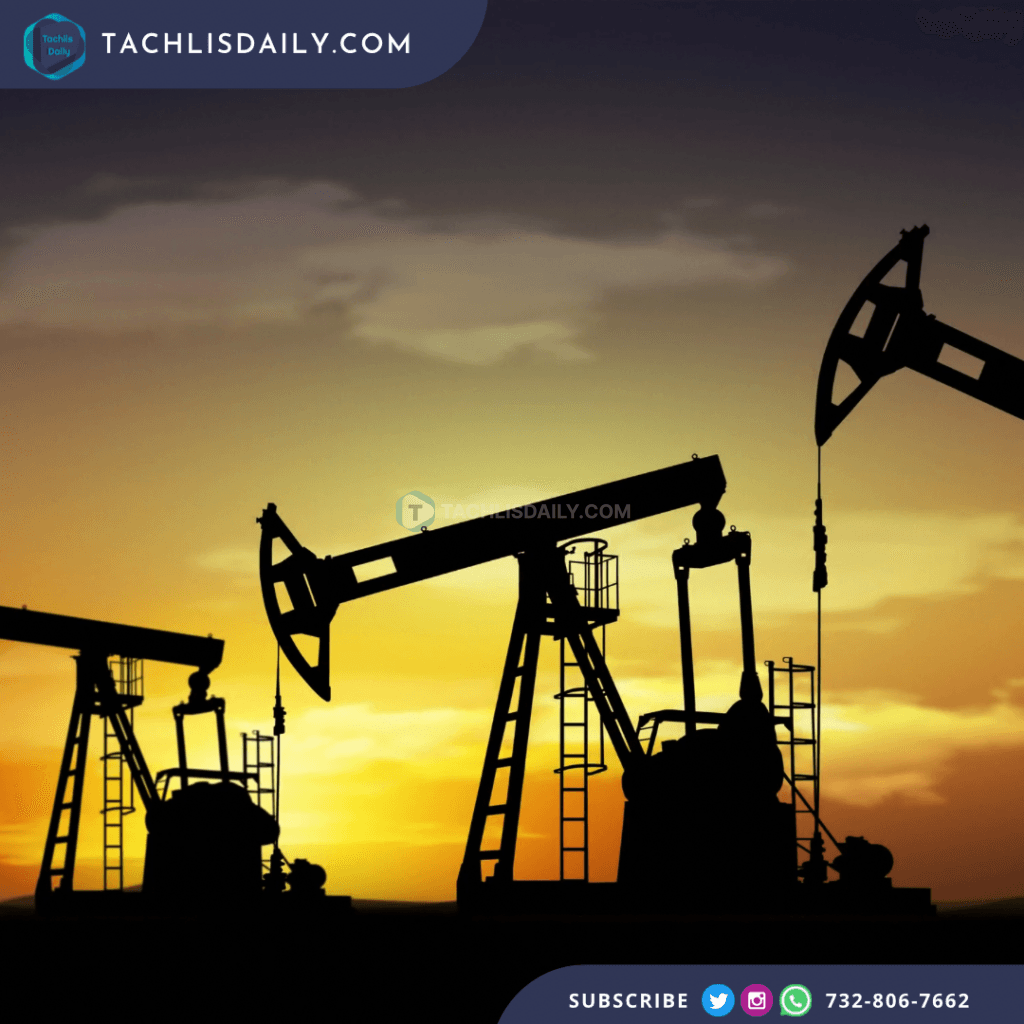
The economic impact on Iran is becoming increasingly visible. Analysts tracking global oil shipments warn that Tehran may run out of space to store unsold oil within weeks as sanctions and the maritime blockade prevent exports. To manage the growing surplus, Iran has reportedly reopened abandoned storage facilities and reactivated aging tankers to hold excess supply.
President Trump said in a statement that Iran had informed U.S. officials it was in a “state of collapse” and was urging Washington to reopen the Strait of Hormuz to normal shipping traffic. The strategic waterway normally handles a significant portion of the world’s oil shipments and has been heavily restricted during the conflict.
Across the region, security concerns remain elevated. Iraqi security forces fired at a drone flying over Baghdad’s fortified Green Zone, an area that houses government offices and the U.S. embassy. The aircraft reportedly escaped after coming under fire, and no damage or casualties were reported. In Lebanon, Hezbollah launched explosive drones toward Israeli forces in the south, though the attacks caused no injuries.
Meanwhile, U.S. officials and several allied nations voiced outrage after Iran was selected to hold a leadership role at a major United Nations conference reviewing the Nuclear Non-Proliferation Treaty. American representatives called the decision embarrassing and warned it undermines the credibility of global efforts to prevent the spread of nuclear weapons.
Iran’s influence has also triggered responses from regional allies. Bahrain stripped citizenship from 69 individuals accused of promoting pro-Iran sentiment or maintaining ties with foreign groups hostile to the kingdom. Authorities said the action was taken under national security laws designed to protect the country from external influence.
At the same time, global markets are feeling the strain of the conflict. Energy disruptions tied to tensions around the Strait of Hormuz have pushed jet fuel prices sharply higher, placing pressure on airlines around the world. Some carriers have already begun adjusting flight schedules as fuel costs climb and supply tightens.
The Pentagon is also seeking a massive increase in funding for drone and autonomous warfare systems, reflecting lessons from recent confrontations in which inexpensive drones have overwhelmed traditional air defense systems. The proposed budget includes tens of billions of dollars aimed at developing large numbers of lower-cost systems capable of operating together in coordinated drone swarms.
Despite the mounting pressure campaign from Washington, analysts say Iran’s leadership structure has so far remained intact. Even after significant military strikes and the loss of key figures, the regime continues to operate and has shown an ability to adapt to sanctions and economic restrictions.
The standoff now represents a broader test of whether the United States can translate military and economic pressure into meaningful political concessions from Tehran. With negotiations stalled and tensions simmering across the region, the coming weeks could prove critical in determining whether diplomacy resumes or the conflict continues to escalate.