
Remembering the Bas Ayin on His 186th Yahrtzeit
12 Kislev marks the yahrtzeit of the Bas Ayin, whose Torah and stories continue to teach emunah, chessed and humility.
Today, 12 Kislev, marks the 186th yahrtzeit of Reb Avraham Dov Auerbach ben Reb Dovid ZT"L of Avritz, the Bas Ayin, who spent his later years in Tzefas and is buried there.
His sefer and the stories passed down about him speak of emunah, love for Eretz Yisrael, care for another Yid and, above all, anivus.
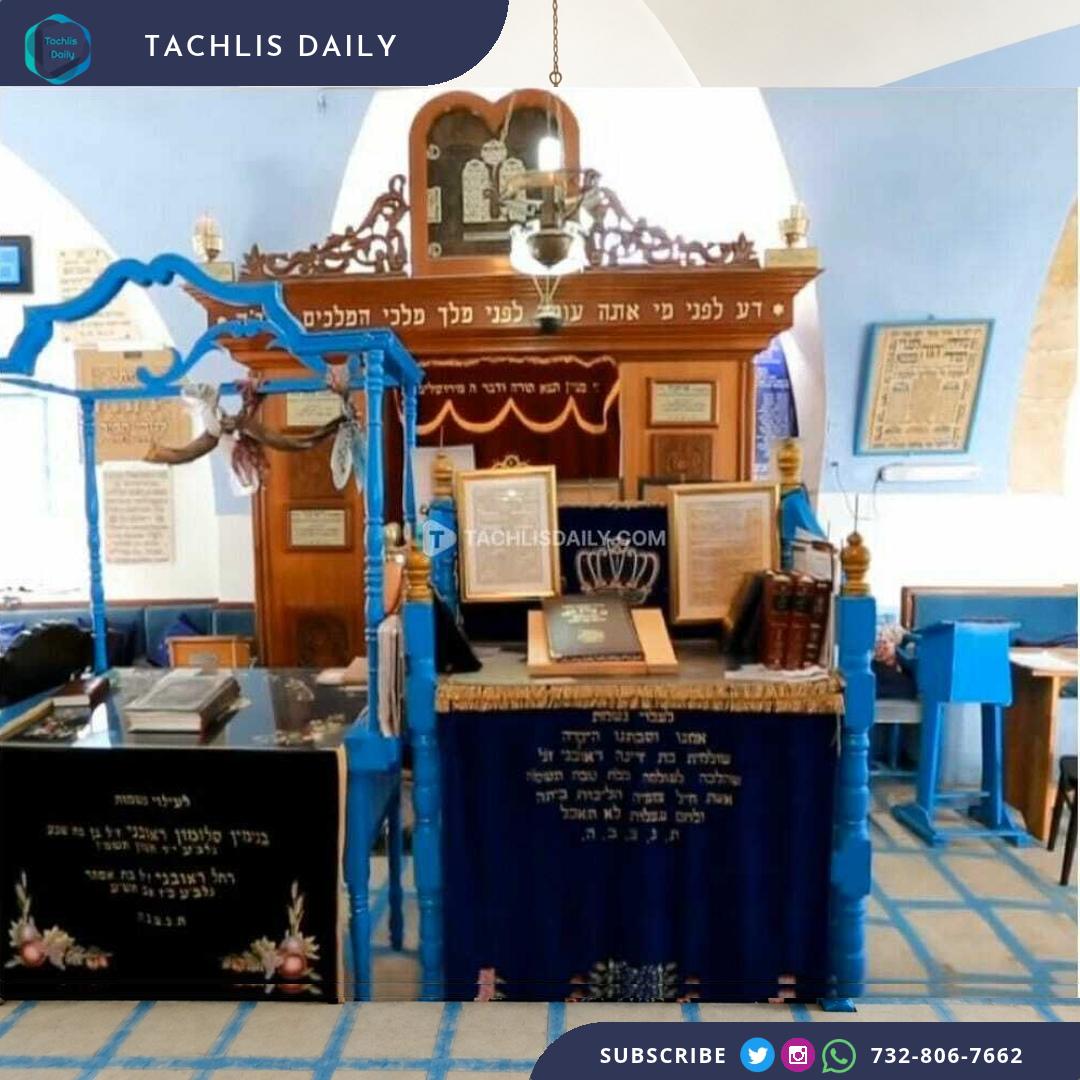
When the Bas Ayin arrived at the port of Chaifa on Rosh Chodesh Elul in 1830, he intended to continue to Yerushalayim. The people of Tzefas asked him to stay with them, and he agreed to remain until after Simchas Torah.
A conversation he overheard on Hoshanah Rabbah changed his plans. A woman told her son to bring the carpets down from the roof because the next day Yidden would bench Geshem, their tefillos would surely be answered and the carpets would get wet. The Bas Ayin said he wanted to live among Yidden who believed in the power of tefillah with such certainty. He stayed in Tzefas.
Another story tells of a levayah that passed his home. Although he rarely attended levayos, he accompanied this niftar all the way to the burial. Those present wondered what distinguished a man they had known as an ordinary, upright Yid.
Before the burial, the chevrah kadisha noticed severe old burns on his legs. His almanah explained that, as a young merchant abroad, he had nearly married a non-Jewish woman. During the wedding celebration, he was overcome with yiras Shamayim and jumped into a barrel of burning coals. The guests thought he had lost his mind and drove him from the hall, saving him from the aveirah. The scars remained for the rest of his life.
The Bas Ayin explained that he had seen a column of fire before the niftar's coffin. The Gemara in Kesubos 17a describes such a sign as a distinction granted to only one or two people in a generation. In the story, that extraordinary act of mesirus nefesh explained the honor.
His love for Eretz Yisrael had been stirred years earlier by a meshulach who visited Avritz. Even the stones of Eretz Yisrael were like diamonds, the visitor told him.
After moving to Tzefas, the Bas Ayin met the meshulach again. He said that everything he had heard about the land was true, but he could not yet see its stones as diamonds. The meshulach answered that pure eyes could see it. The Bas Ayin secluded himself for several days in avodas Hashem until, the story relates, he attained that vision. He then made a seudah to celebrate.
Before leaving Avritz, his chassidim accompanied him to Odessa and asked how they could remain connected to him from so far away. He answered that just as a Yid connects to Hashem by following His middos, they could remain connected to their rebbe by adopting the middos he had worked on since his youth: never speaking lashon hara, never telling a lie and staying far from gaavah.
These themes, guarding one's speech, truth and humility, run through the sefer Bas Ayin. Tzaddikim also saw a reminder of his anivus in his burial cave: visitors must bend low to enter and reach his kever.
On 24 Teves 5597, January 1, 1837, a devastating earthquake struck Tzefas and Teveria. Homes collapsed and many lives were lost. The Bas Ayin was in his beis medresh at Minchah when the walls began to shake.
According to the tradition preserved about that day, he called the mispallelim to gather around him and threw himself to the ground in tefillah. Much of the building collapsed, but the section above him and those around him remained intact, and they survived.
He later explained that the unusual movement of the falling stones showed him that the moment demanded complete humility. That was why he had lowered himself to the ground.
In the cold and rain that followed, he and the survivors worked to rescue people from the rubble and bring the niftarim to kevurah. With so much of the city destroyed, many considered leaving for Yerushalayim. The Bas Ayin worked to keep the Jewish community in Tzefas, sending emissaries abroad to raise funds and helping rebuild homes higher on the mountain, with space between them. A plaque in his beis medresh commemorates the survival of the rebbe and his talmidim during the earthquake.
In 5601, during a plague in Tzefas, the Bas Ayin became ill. He asked his talmid, Reb Shmuel Heller ZT"L, to visit so he could share teachings he had received from his own rabbeim. Concerned about the contagious illness, Reb Shmuel's family did not allow him to go. He later regretted the missed opportunity.
Before his petirah on 12 Kislev, the Bas Ayin said that he would be the plague's final victim. The tradition relates that the deaths then ceased.
His concern for others was also expressed in small, practical ways. One year before Pesach, the gabbaim wanted to paint the beis medresh. He asked them to wait: with homes turned upside down by the preparations, husbands needed a place to go, and the beis medresh should remain open.
In a teaching on Parshas Chukas, he brings a lesson from the Berditchever Rav in the name of the Maggid of Mezritch. The words gezeirah shavah can teach a Yid to feel another person's gezeirah, or suffering, equally, as though it were his own. Feeling a fellow Yid's pain is itself an act of chessed.
Reb Shmuel Heller, who served as the rav of Tzefas, also worked as a doctor. A story relates that he once saw the foreign letters of his medical books before his eyes during Shacharis. Troubled that his work was disturbing his avodas Hashem, he decided to stop practicing.
A sick man who could no longer obtain treatment appealed to the Bas Ayin. He summoned Reb Shmuel and placed his hand on his forehead. From then on, the story relates, the letters no longer disturbed his tefillah, and he resumed caring for the city's sick.
Chazal teach that tzaddikim are greater after their passing than during their lifetimes. On his yahrtzeit, the Bas Ayin's Torah and the stories of his chessed continue to inspire Yidden to strengthen their emunah, feel another's pain and live with humility.
Zechuso yagen aleinu.