
NASA Advances Nuclear-Powered Spacecraft Planned to Carry Three Helicopters to Mars
SR-1 Freedom has passed a major design review as NASA targets a late-2028 launch to demonstrate nuclear electric propulsion beyond Earth orbit.
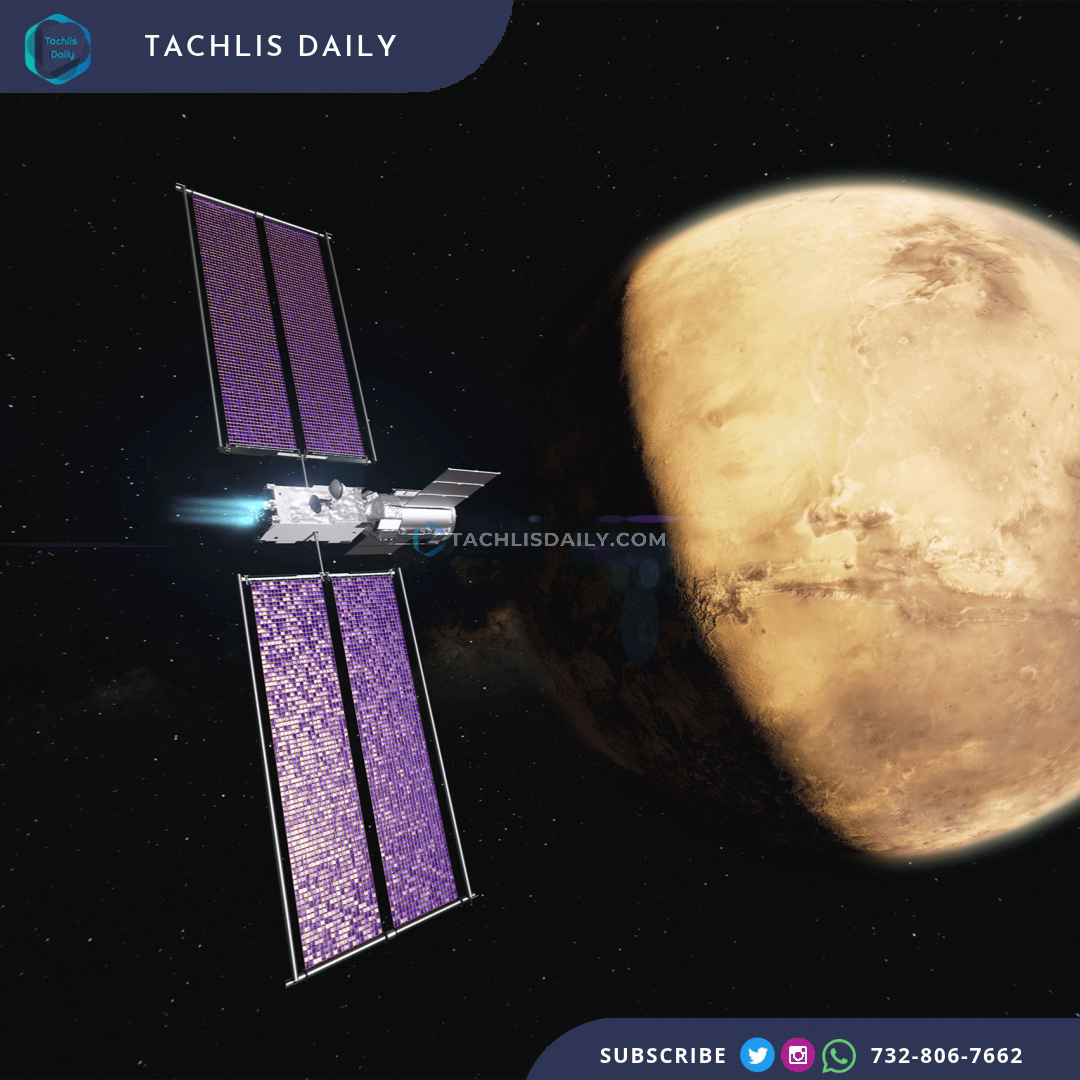
NASA has settled key design choices for a spacecraft intended to demonstrate nuclear electric propulsion in deep space and carry three helicopters to Mars.
The Space Reactor-1 Freedom mission, known as SR-1, is targeting a launch in late 2028. The spacecraft would use nuclear and solar power to deliver SkyFall, a capsule carrying three helicopters designed to study Mars and search for signs of subsurface ice.
A major design review brought together NASA, Department of Energy and industry experts in October. One change is a shorter boom separating the reactor from the spacecraft's main body. NASA said improved shielding and spacecraft design would allow the reactor to sit closer while protecting electronics and the payload.
The mission plan calls for the reactor to start after the spacecraft leaves Earth orbit, collect performance data and shut down. Solar arrays would power the journey to Mars. After delivering SkyFall to Martian orbit, SR-1 would restart its reactor for further testing in deep space.
Several details remain under study, including reactor power levels, operating duration and the number of radiator panels. NASA has awarded a $39.3 million contract to Johns Hopkins University's Applied Physics Laboratory to develop a heat-rejection system that would remove excess heat from the nuclear power module.